Spiritual self care is any ritual or practice that we do to further our connection with our higher self. Your higher self is who we truly are as an individual, the real you. Your higher self is the you that is disassociated from, and not influenced by, the ego or fear. Rather, this self operates from a soul-centered place that is aligned with your deepest desires.
Although they might seem similar, the practice of spiritual self care differs from emotional self care in that spiritual self care is solely based on you and your connection with your higher self. Emotional self care includes people other than yourself, especially as you learn how to communicate your needs and desires, express emotion, and set boundaries with others.
When you begin to practice consistent spiritual self care, you can expect to nurture your connection with yourself and a higher power (if you choose to connect with a higher power) and create spiritual practices that fuel both your body and soul.
If you're someone that has been on a search for inner peace, fortunately, that state of being is a happy side-effect of regularly committing to your spiritual self care.
Practice Meditation
Meditation is such a powerful practice that can bring you closer to your higher self. There are many benefits of meditation, including improving your concentration and reducing your stress. For many, the thought of starting a mediation practice can feel overwhelming. There's no competition when it comes to your meditation practice and no one is perfect at meditating. What's important is that no matter how muddled and crazy your mind feels, you choose to meditate solely for you, your spiritual self care practice, and the benefits that come along with sitting in silence for a few minutes a day.Not sure how to start your meditation practice? Check out my these meditation apps – Headspace and Calm. I also suggest having a cushion (although, it's not necessary) and a quiet corner in your house.
How to?
- Meditating for 10 minutes a day is infinitely better than meditating for 70 minutes once a week. Try to meditate frequently (every day if possible), even if that just means sitting for a few minutes.
- Start small. If you try to meditate for 30 minutes right from the start, you will get frustrated and discouraged. Start with five minutes, and only increase that time when you're comfortable. Even if you sit for five minutes, and you find that your mind wanders the whole time, you will still receive incredible benefits from meditation.
- Meditate in a quiet place. Having less distractions around you will naturally allow you to concentrate better and will make your meditation much more productive.
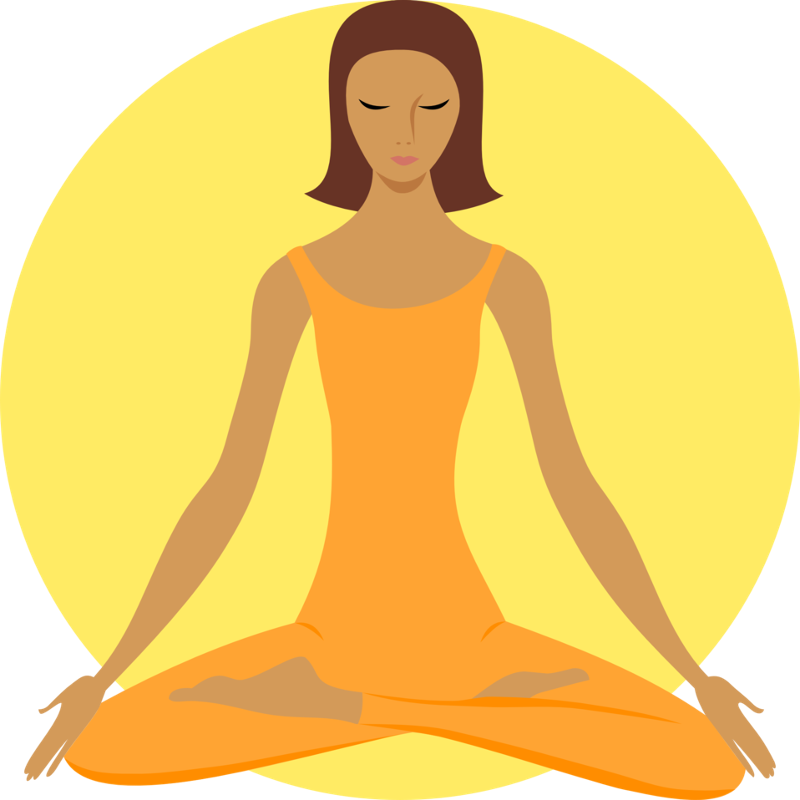
- It's easiest to lose your attention during your out-breath. Your inbreath is very pronounced and easy to concentrate on, and most people's minds wander on their outbreaths. This is worth keeping in mind.
- Be easy on yourself when your mind wanders. It's easy to become frustrated with yourself when your mind wanders, but don't. Your meditations will be much more productive when you gently bring your attention back.
- If you can't concentrate, try counting. Count your breaths, until you reach five, and then start again. This is a trick you can use when you are having a tough time concentrating.
Take A Walk
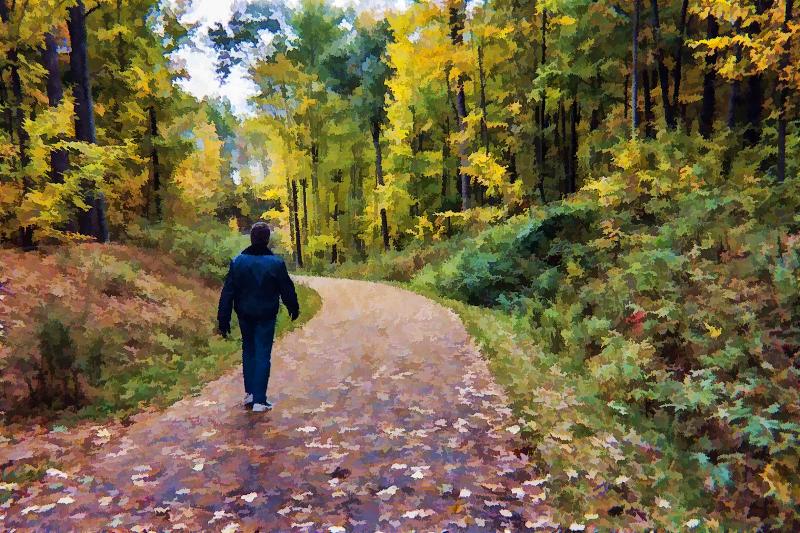
Simply immersing yourself in nature can help you connect with your higher self. Nature can be so healing because it allows us to experience a moment with all five of our senses. We are truly in the moment and involved in something greater than ourselves, beyond our wildest beliefs. It's truly incredible what an impact a few hours in nature can have on your overall wellbeing.
How to?
Taking a walk in the woods or a long hike can help you to disconnect from your day and tune into what you are feeling. It is will be like everything simply melts away and you get a chance to focus on yourself.
No matter how you choose to go about nurturing your personal spiritual self care practice, remember that even being aware of your connection to spirituality is a step in the right direction. Taking the time to create mindfulness and awareness around your relationship with your higher self is something that can change the course of your entire being.
Pray
It does not matter which religion you follow, a prayer is a powerful tool to cleanse ourselves spiritually. You can pray from your own heart when you need some solace. Uttering a prayer of gratitude may be particularly good for your mood.
Of course, spirituality isn't like medicine—"just take one dose of prayer daily." But if you are drawn to organized religion, you can get a boost from more active involvement.
How to?
- Saying a prayer in the morning, first thing as you open your eyes, will prepare your for the day.
- Saying a prayer before sleeping, will discharge you of all the negative energy that you gathered throughout the day. And your sleep will be sweeter then ever.
Next Step...
[ Extra Tips: For an introduction to how you can become more mindful, read through Mindfulness and learn Mindful breathing.]
[Extra Activity: 20 Spiritual Self-Care Ideas & Activities]
"Simply acknowledging that we're all part of this human experience can lessen isolation and lead to a calm mind. That's the best self-care strategy I know", says Barbara Markway, Ph.D. who is a clinical psychologist with over 20 years of experience.
Meditating licensed under PD
Nature walk licensed under PD
Schweet, C. (2018, July 10). How to Practice Spiritual Self Care. Retrieved from Carley Schweet: https://carleyschweet.com/spiritual-self-care/
Bailey, C. (2013, May 17). Guide: Everything you need to start meditating. Retrieved from A Life of Productivity: https://alifeofproductivity.com/meditation-guide/